Museum of the Bible Receiving Dead Sea Scroll Fragments of Prophetic Book of Isaiah
Elizabeth Delaney

Audio By Carbonatix
By Elizabeth Delaney, Crosswalk.com
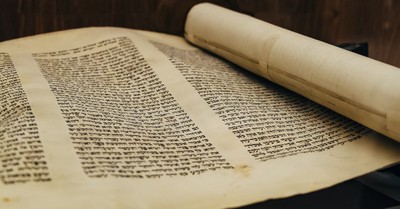
Touted as one of the greatest archaeological finds in history, fragments of the Dead Sea Scrolls will be on display at Washington, D.C.’s Museum of the Bible from May through September, just in time for the celebration of America’s 250th anniversary and the America Reads the Bible event. After September, the fragile, leather fragments from the original prophetic book of Isaiah and the other fragments on display will be locked in a vault for five years, according to WNG.
Brief History of The Dead Sea Scrolls
The Dead Sea Scrolls were discovered between 1947 and 1956 and include fragments from nearly every Old Testament book (except Esther), several Jewish religious texts, and the history of the Essenes, which is a Jewish sect that lived in Qumran, according to the Fellowship of Israel Related Ministries.
Qumran was an area along the northwest shore of the Dead Sea with multiple caves. The people hid important documents in the caves to keep them out of the hands of the Romans, according to Britannica.
Why the Fragments are Only on Display for Three Months
Dr. Joe Uziel of the Israel Antiquities Authority explained to CBN why the fragments are only on display for three months: “Every three months, we come in, and we switch the scrolls with a new set of scrolls. Because, in order to conserve the scrolls, we can display them for three months that they're exposed to light, and then they have to rest for five years in our safe room.”
The vault or “safe room” to which they’re returned is a climate-controlled room that duplicates the conditions of the caves where they were discovered. This minimizes deterioration so that future generations will be able to view them.
The Dead Sea Scrolls Testify to the Validity of Scripture
“Before the Dead Sea Scrolls were discovered, our best Hebrew manuscripts were from about 1000 A.D.,” Bobby Duke, the Museum of the Bible’s chief curatorial officer, told WNG. “These all date back [from the] second century B.C. to the first century A.D. So it shaves off…1,000 years of manuscript transmission.”
“To think that we're looking at things that were in existence and being read by a community at the same time Jesus and the disciples were visiting Jerusalem or going to the Sea of Galilee...kind of gives you goose bumps to think about that,” Duke said.
Dr. Craig Evans of The Bible Seminary told CBN that the Dead Sea Scrolls are practically identical to the Bible that Christians read today, which should give Christians confidence regarding the credibility of the Bible.
Not only do the scrolls offer insights into the life and ministry of Jesus and the people in that day, but “The Dead Sea Scrolls don't contradict anything. In other words, the Dead Sea Scrolls don't embarrass Bible believers. The Dead Sea Scrolls don't show that there's some kind of mistake in Scripture,” Evans said.
Related Article
Dead Sea Scrolls Show Bible Has Been Faithfully Preserved, Museum of the Bible Curator Says
Photo Credit: ©GettyImages/VladimirZapletin
 Elizabeth Delaney has been a freelance content writer for over 20 years and has enjoyed having her prose published in both the non-fiction and fiction markets. She has written various types of content, including Christian articles, healthy lifestyle, blog posts, business topics, news articles, product descriptions, and some fiction. She is also a singer-songwriter-musician. When she is not busy with writing or music, she enjoys spending time with friends or family and doing fun social activities such as hiking, swing dancing, concerts, and other activities.


